
Promoting Environmental Citizenship on the Touristic Island of Sal
This article reflects on the relationship between youth, the environment, public policies, and the impacts of climate change on Sal Island, one of Cabo Verde’s most sought-after tourist destinations. It highlights the critical role of young people in environmental protection and in promoting sustainable development. In light of the environmental challenges facing the archipelago, the article argues that more inclusive and structured public policies can boost youth leadership and ensure a greener, fairer, and more resilient future.
After all, one cannot talk about a blue or green economy without protecting, valuing, and conserving our natural resources — nor without reflecting and acting on climate change adaptation. As in many parts of the world, most tourist activities in Cabo Verde occur in protected areas and nature reserves, habitats for endemic and native species that, in addition to their crucial ecological functions, are also major attractions for visitors. This calls for efficient management and continuous monitoring of these zones.
Cabo Verde, as a small island developing state (SIDS), is particularly vulnerable to climate phenomena such as desertification, water scarcity, and coastal erosion. In this context, youth emerge as strategic agents of transformation: over 40% of the Cape Verdean population is under 25 years old. Specifically on Sal Island, according to the National Statistics Institute (INE), 14.5% of the population is between the ages of 15 and 24, and 19.8% is between 25 and 34. This article proposes a close look at national public policies, analyzing how they have addressed the intersection of youth and environment, and suggesting strategies to strengthen youth engagement.

Youth and Environmental Sustainability
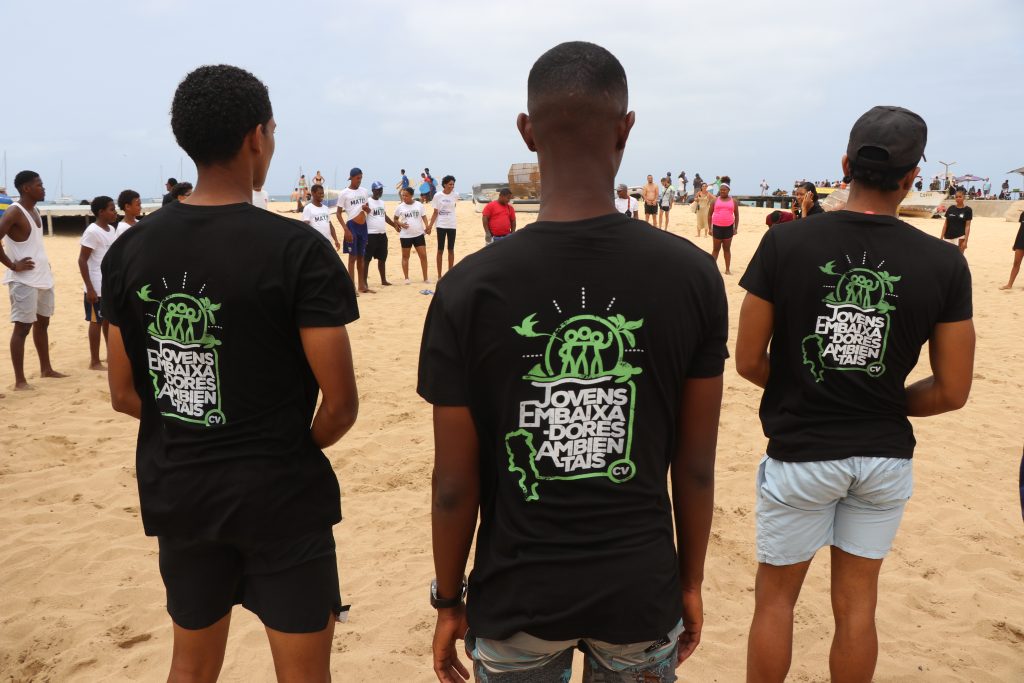
Youth in Sal Island have shown a growing environmental awareness in recent years. Through initiatives such as coastal clean-up campaigns, reforestation activities, environmental education training, and awareness-raising programs, young people have taken a front-line role in conservation.
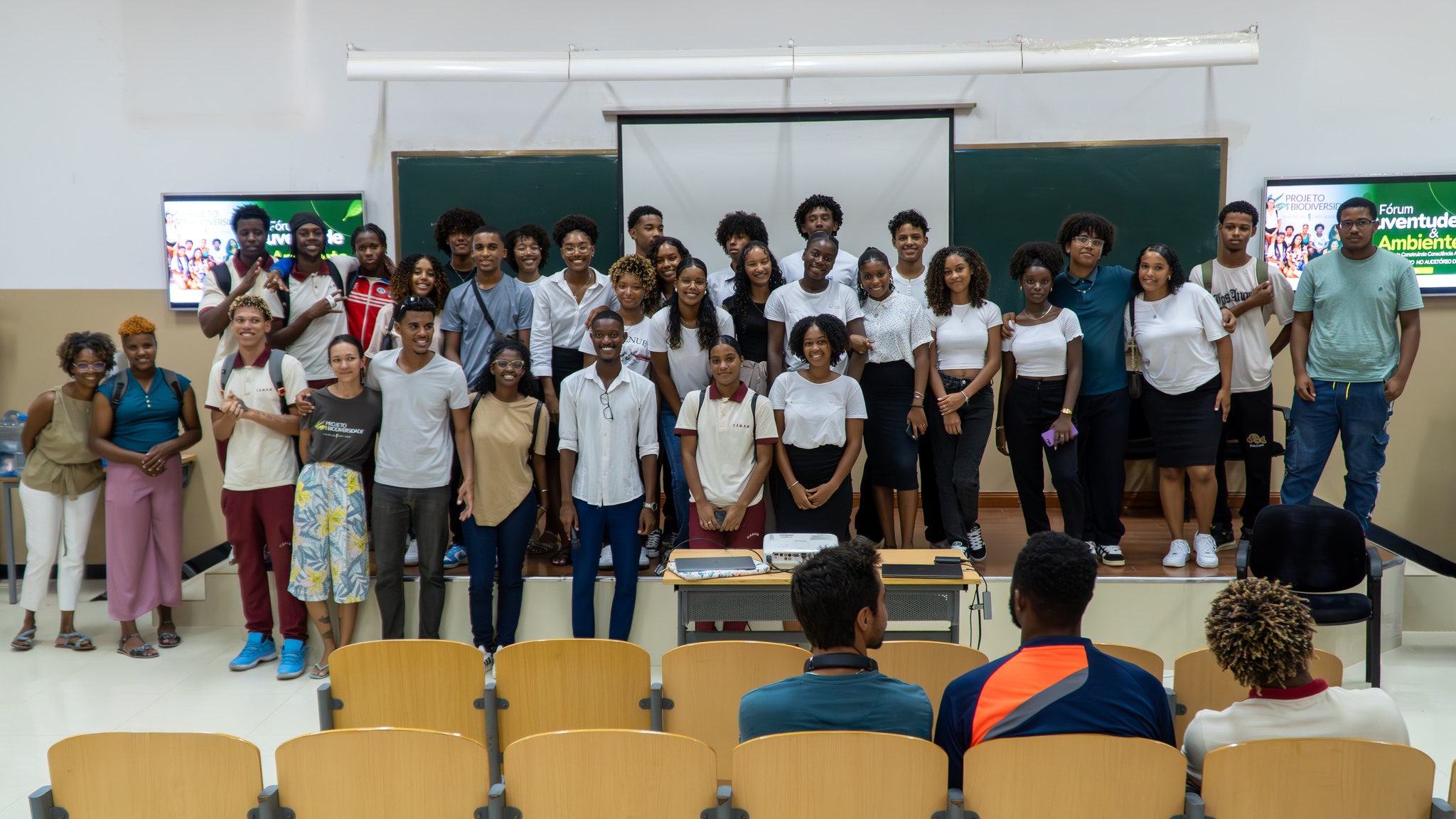
A notable example is the work carried out by Associação Projeto Biodiversidade, which through the “Youth Environmental Ambassadors” program has empowered young environmental leaders and engaged the local youth in marine and terrestrial conservation programs. These young leaders become multipliers of knowledge and action in their communities — as seen in this video, where they organized the 2nd Youth and Environment Forum on Sal Island.
However, despite their enthusiasm and commitment, the lack of financial resources, ongoing institutional support, and recognition from public bodies still limits the broader impact of these initiatives.
Environmental Public Policies in Cabo Verde
Cabo Verde has implemented important environmental policies, such as the National Environmental Management Plan (PNGA) and the National Adaptation Plan (PANA). Both documents reflect a serious commitment to environmental protection and climate resilience.
However, there is still a lack of solid mechanisms to ensure effective youth participation in these processes. Permanent platforms for active listening and public consultation involving young people in the design, implementation, and monitoring of environmental policies are still missing. This is a strategic gap, especially in a country where the strength and creativity of youth could represent a major asset in environmental defense.
Environmental Education: A Pillar for the Future of Cabo Verde and Sal
I firmly believe that Environmental Education must be an integral part of Cabo Verde’s educational system from the earliest stages. Children and adolescents must learn from a young age about the biodiversity of their islands, about endemic, native, and introduced species, and about key concepts related to conservation and sustainability.
Those who know, protect better. By incorporating themes such as environmental sustainability and climate change into school curricula, we will not only form more environmentally conscious citizens but also promote a true ecological culture. Education is, without a doubt, one of the most powerful tools to ensure that the future becomes an opportunity rather than a threat.
Conclusion
Cape Verdean youth — especially on Sal Island — have shown clear signs of commitment to the environment and climate. It is now up to public authorities to strengthen this leadership with inclusive policies, strategic investments, and a serious commitment to environmental education and climate knowledge dissemination.
Promoting environmental citizenship is also an act of intergenerational justice — it means preparing today the environmental leaders of tomorrow. It means giving communities the tools to protect what is most precious: their natural resources, their ecological identity, and their future.
👉 Learn more at: https://www.facebook.com/share/v/1GLp2sm5ST/
Alcides Semedo
Coordinator of the Environmental Education Program
Associação Projeto Biodiversidade