
Training and Mobilization
Between August 14 and September 2, 2025, a series of online webinars was held focusing on climate transparency. The initiative was organized by the young members of the Lusophone Climate Transparency Hub and targeted young leaders, activists, and students from Lusophone countries, aged 12 to 35. Youth organizations and civil society groups involved in climate and environmental issues also participated.
The main goal of the sessions was to promote youth inclusion in their countries’ climate transparency processes, as well as to create a space for interaction and learning. This platform allowed young people from Lusophone countries to acquire knowledge, build capacity, ask questions, and share ideas on climate change and climate transparency.
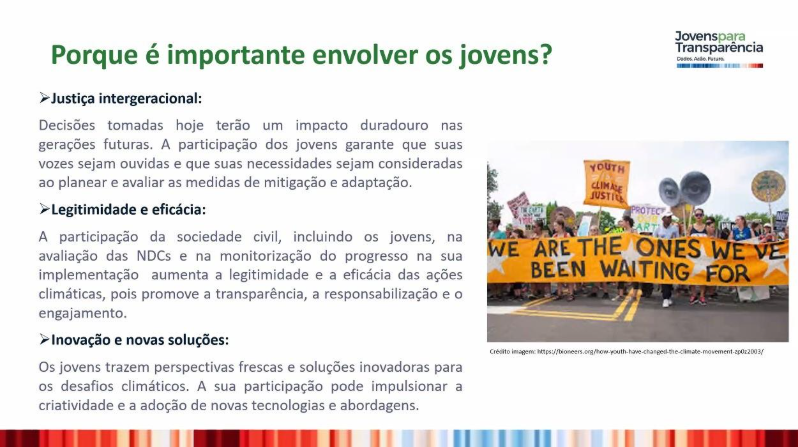
Active Participation
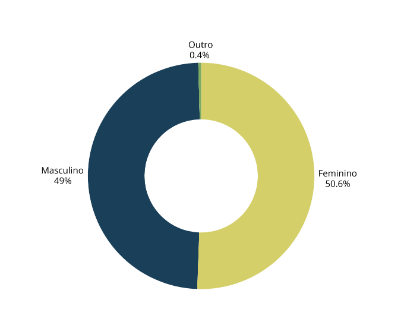
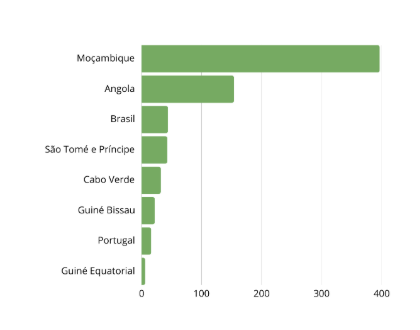
The webinars saw high participation from young people across CPLP countries. This is reflected in the accompanying charts, which show registration distribution by country and gender.
Technical Content and Youth Engagement
The webinar sessions featured a diverse panel of expert speakers covering a wide range of relevant topics. Key discussions included the historical context of climate negotiations; the objectives of the Paris Agreement; the role of Nationally Determined Contributions (NDCs) and transparency; youth engagement as implementers and monitors; the Enhanced Transparency Framework (ETF); differences between Biennial Update Reports (BURs), NDCs, and Biennial Transparency Reports (BTRs); and available tools to support countries.
The webinars also explored BTR components, including greenhouse gas (GHG) inventories, NDC progress, and adaptation information. Discussions highlighted how these data can contribute to more ambitious NDCs and how youth engagement with a gender-sensitive approach can strengthen climate transparency processes.
Challenges and Opportunities
The sessions also addressed ongoing actions related to national and youth engagement, key challenges, proposed solutions, and lessons learned in preparation for COP30. Strategies were presented to expand Lusophone youth participation in global climate forums, highlighting initiatives such as the Presidency Youth Climate Champion (PYCC).
Key challenges and opportunities for Lusophone youth in multilateral climate processes were emphasized. Low representation of Lusophone youth in international forums was noted, and concrete strategies to increase meaningful participation were proposed. These include establishing formal mechanisms, strengthening youth networks, promoting gender equity, providing technical capacity building, and fostering digital inclusion. COP30 in Brazil was presented as a historic opportunity to consolidate Lusophone youth presence in climate multilateralism.
Sharing Experiences
The final session provided space for sharing practical experiences of youth engagement in climate action, including environmental education, cleanup campaigns, and environmental protection activities across Lusophone countries.
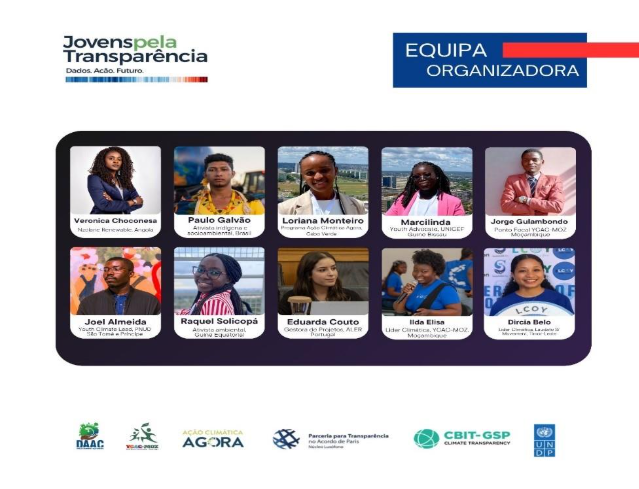
Author: Loriana Monteiro – Climate Action Programme
October 4, 2025
December 10, 2025