
Dear readers,
I’m Alissa Cely Freire, your climate action reporter. Today, we’re going to explore climate change in Cape Verde in detail, looking at its causes, current and future impacts, as well as discussing the importance of collective action.
The Context of Climate Change in Cape Verde
The Earth’s climate is a complex and dynamic system, where different components such as the atmosphere, oceans, land surfaces and biosphere interact constantly. However, human activity, especially the burning of fossil fuels, has unbalanced this system by releasing greenhouse gases such as carbon dioxide (CO2), methane (CH4) and nitrous oxide (N2O).
Current Trends and Alarming Data
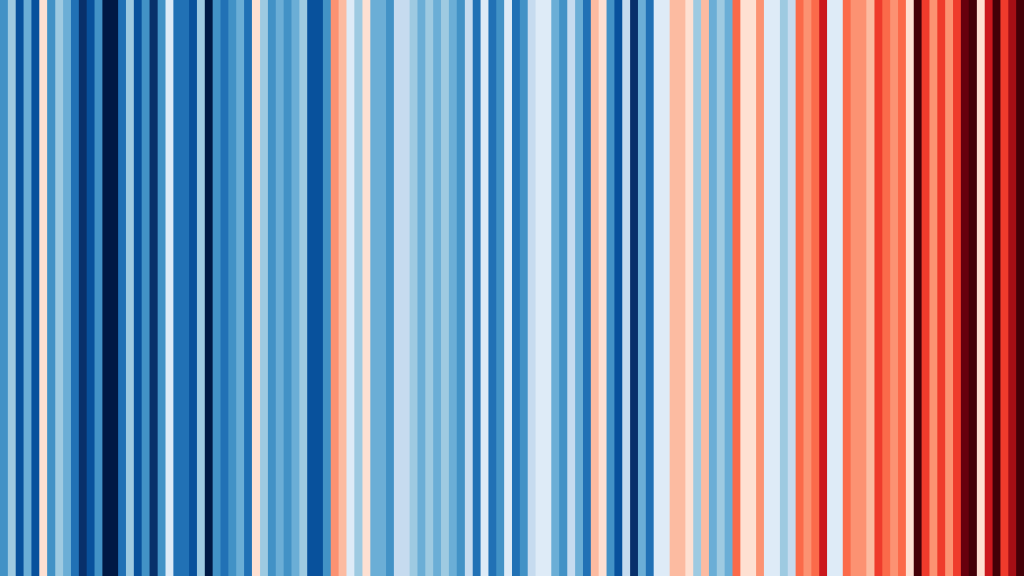
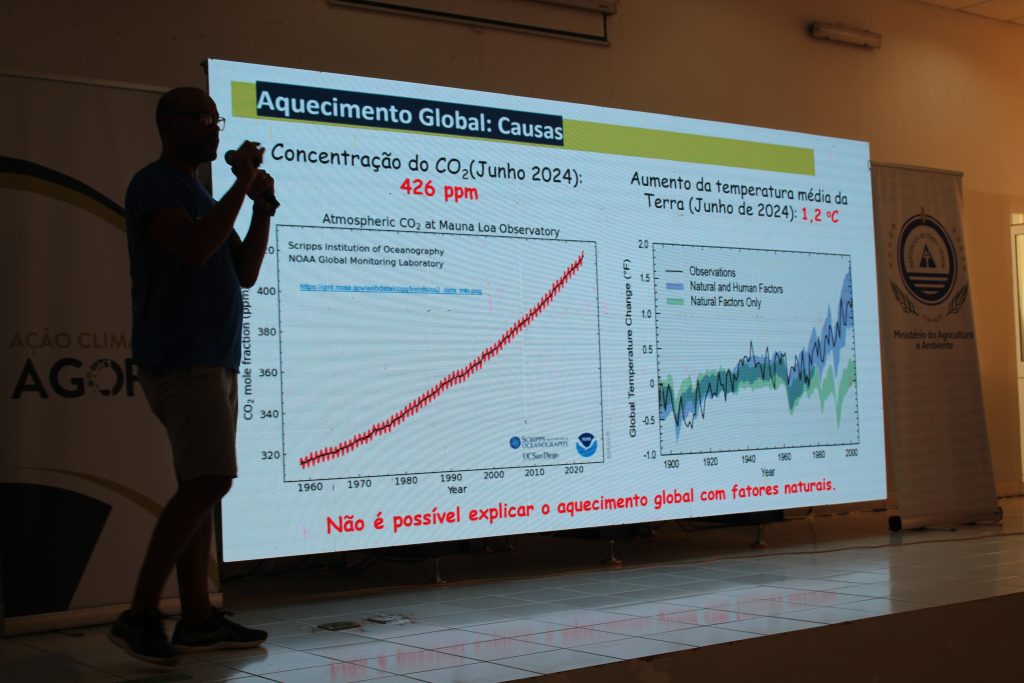
In June 2024, the concentration of CO2 in the atmosphere reached 426 parts per million (ppm), a worrying indicator of the continuous emissions of these gases. This phenomenon contributes directly to global warming, resulting in record temperatures in recent years.
“Over the last four decades, the average air temperature in Cape Verde has risen by approximately 0.2˚C per decade,” observes Nilton Évora do Rosário, a specialist at the University of São Paulo.
Local Impacts: Extreme Temperatures and Precipitation Variability
The rise in temperatures has been evident, with a significant increase in the number of days with temperatures above 30˚C. For example, in the 1970s, there were less than 10 days a year with such high temperatures, whereas now, on some islands, this can exceed 30 days a year.
In addition to high temperatures, the variability of rainfall in Cape Verde has intensified. Between 2017 and 2020, the country faced a severe drought that severely affected agriculture and water supply. At the same time, extreme rainfall events have become 50 per cent more frequent in Praia, increasing the risk of flooding and significant damage to infrastructure.
Future Projections and Emerging Challenges
Projections indicate that temperatures will continue to rise, particularly affecting nights and early mornings, which will become hotter. Rainfall variability will also persist, alternating between periods of prolonged drought and intense rainfall. In addition, sea levels are rising at a rate of 3.2 mm per year, threatening coastal communities and fragile ecosystems.
Call to Action: The Importance of Collective Response
Climate change is already profoundly affecting public health, agriculture, water resources and infrastructure in Cape Verde. Climate action is urgent and necessary to mitigate future impacts and adapt our communities to the new climate realities.
Clear Conclusion and Call to Action
Each of us has a crucial role to play in responding to climate change. Reducing greenhouse gas emissions, supporting sustainable practices and pushing for sound environmental policies are fundamental steps. Together, we can build a safer and more resilient future for Cape Verde and the entire planet.
Yours sincerely,
Author

Alissa Cely Freire,
Ação Climática Agora Reporter
References
Nilton Évora do Rosário, Federal University of São Paulo’s Climate and Air Pollution Laboratory
Carlos Moniz, Cape Verde’s National Institute of Meteorology and Geophysics