
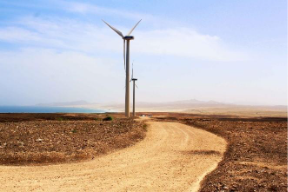
According to the International Energy Agency (IEA), this refers to the process of transforming the global energy system in order to reduce dependence on fossil fuels and promote the use of renewable energy sources. In addition to boosting the use of renewable energy sources, the energy transition also promotes energy efficiency and the decarbonization of the transportation sector.
According to the UNFCCC, the energy transition must be fair and equitable, taking into account:
- Socioeconomic dimensions: ensuring that the shift to clean energy does not harm workers, communities, or economies, especially in developing countries,
- Social protection: mitigating negative impacts through policies that support decent work and social inclusion,
- National priorities: respecting each country’s circumstances and capabilities, in accordance with the principle of common but differentiated responsibilities.